 Contact: Salimetrics (USA)
Identifying metabolic changes early is critical for preventing long-term complications.
Metabolic changes, such as insulin resistance, are key drivers of type 2 diabetes, metabolic syndrome, and a range of associated health problems. The Centers for Disease Control and Prevention (CDC) reports that 96 million American adults (or 1 in 3 adults) have prediabetes, a condition closely linked with insulin resistance. Lifestyle choices and healthy behaviors, such as diet modification, increased physical activity, and weight management, have been shown to improve insulin sensitivity and prevent the onset of diabetes. Tracking your metabolic health plays a central role in maintaining a healthy metabolism by offering insights into how the body handles carbohydrates, both fasting and post-meal. This allows individuals to personalize and prioritize dietary and exercise recommendations that make a difference based on their actual biology and not a universal recommendation that may not apply directly to all body types.
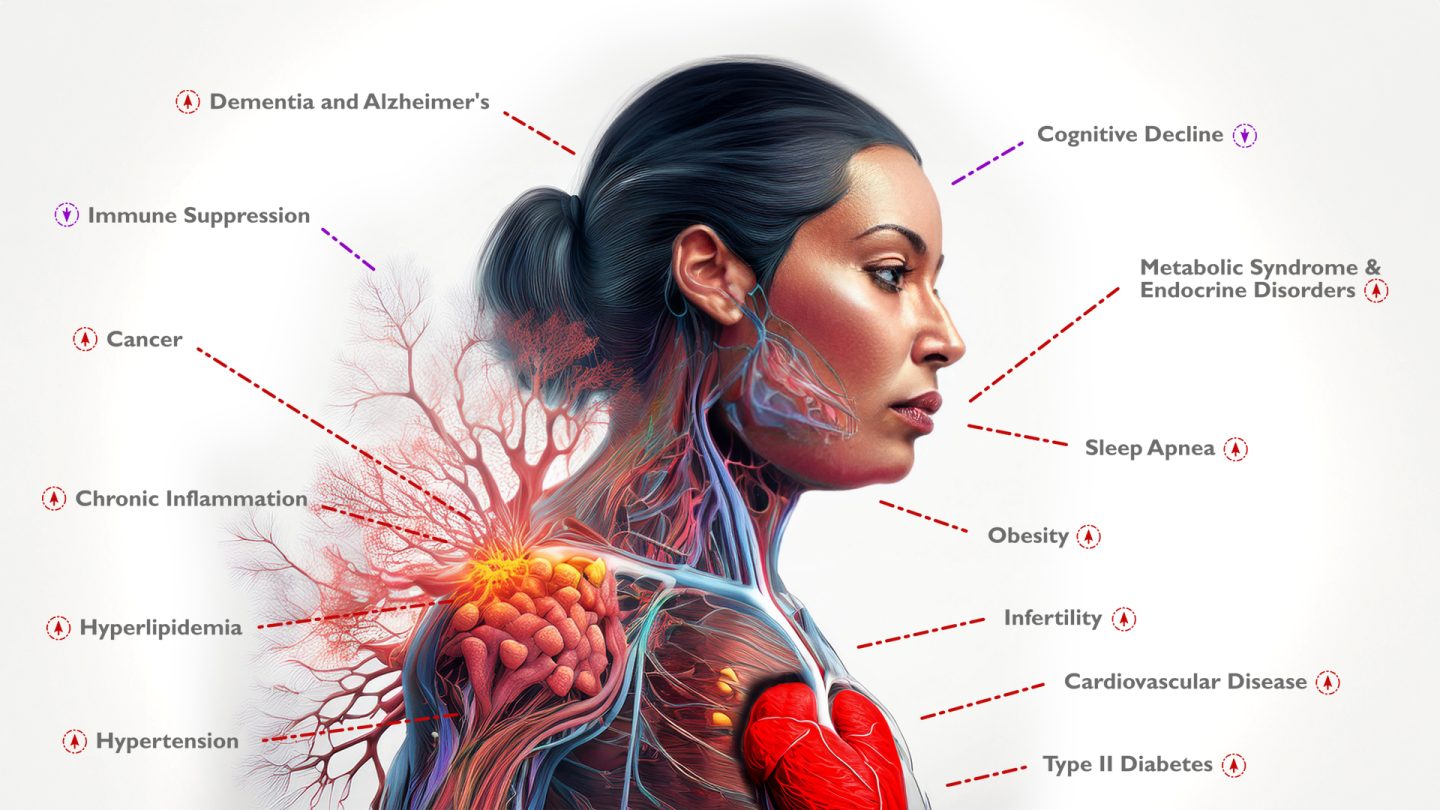
Understanding how your metabolism impacts your life is a critical bridge to developing healthy habits that promote resilience and health over the long term. Otherwise, a poorly functioning metabolism can lead to a multitude of health and quality of life issues, such as: